Free shipping for orders from 150 EUR.

Azelaic Acid in At-Home Skincare: Acne, Rosacea, Pigmentation and Sensitive Skin
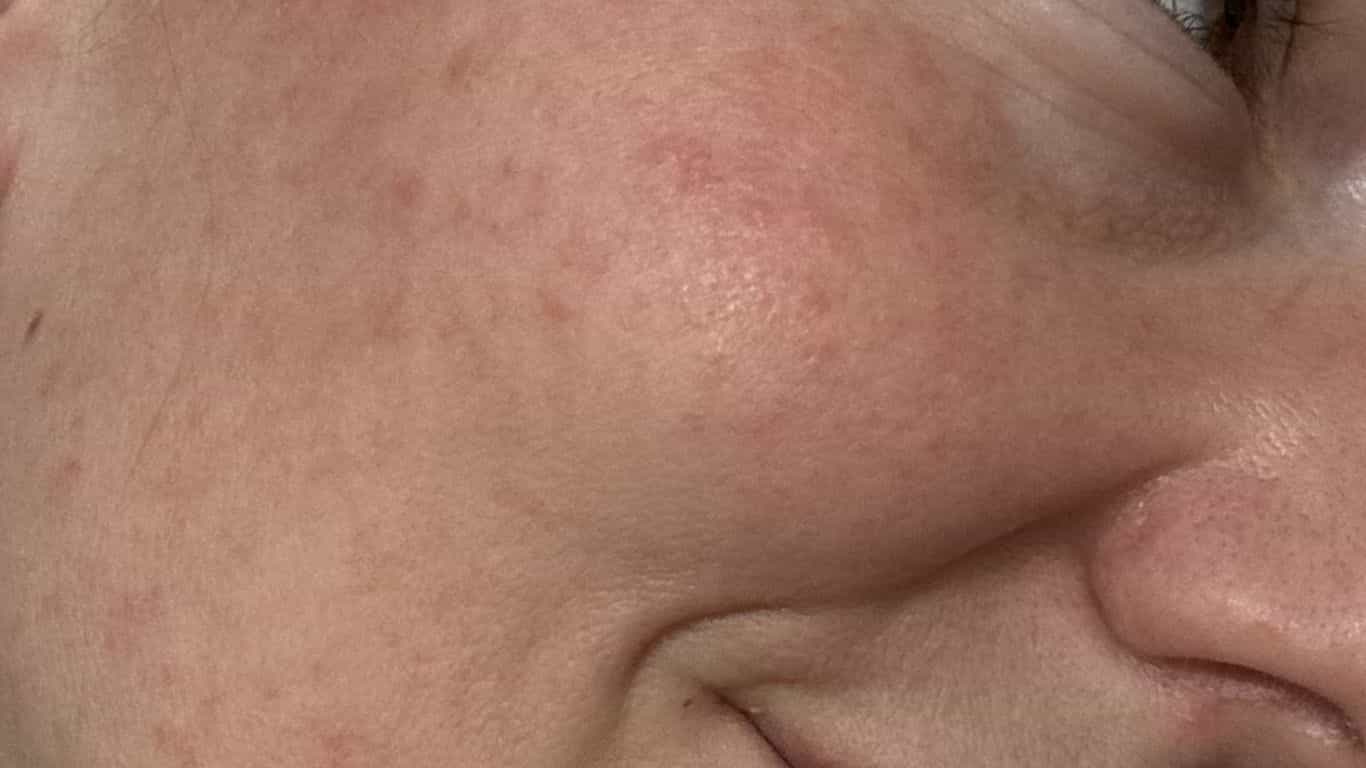
What Is Azelaic Acid?
Azelaic acid is a saturated dicarboxylic acid, found naturally in grains. In skincare, we treat it as a gentle ingredient that works on several fronts: anti-inflammatory, antibacterial, sebum-regulating, brightening. It’s not harsh, and it doesn’t rely on just one mechanism — which is why it suits almost any acne-prone skin, sensitive included.
How Does It Work on the Skin? – The Properties of Azelaic Acid
Azelaic acid limits bacterial growth and calms inflammation and papules. It also reduces sebum production, meaning fewer comedones and fewer new breakouts. Post-inflammatory pigmentation fades, and skin tone evens out. The acid gently exfoliates the openings of the sebaceous glands, smoothing the skin’s surface, and neutralises free radicals along the way, helping acne-prone skin recover. It works best on acne vulgaris and rosacea, on combination and oily skin, and on skin with excess keratinisation or closed comedones — that telltale bumpy texture.
How Does Azelaic Acid Work “From the Inside”? – Mechanism of Action and Effect on the Skin
Azelaic acid blocks protein synthesis inside Cutibacterium acnes and Staphylococcus epidermidis cells — without the risk of bacterial resistance. It also normalises keratinocyte differentiation, slows epidermal overgrowth, and cuts back the free fatty acids sitting on the skin’s surface. Inside melanocytes, it blocks the tyrosinase enzyme, which limits melanin production. Once applied, it works its way through every layer of the epidermis (though only 3.6% is actually absorbed), breaks down via β-oxidation into simpler acids, and leaves the body through urine — the rest stays right where it’s needed, working locally.
How to Use Azelaic Acid in At-Home Facial Skincare: Concentration and Frequency
Cosmetic formulas with this ingredient most often come as a cream, gel-cream, or serum. In cosmetics, concentrations go up to 5% for home use, or 10–15% for specialist formulas. Dermatological treatment uses 15–20% — the higher end gives the most effective results when well tolerated, particularly for allergy-prone skin. Start with 2–3 times a week if you have sensitive skin, then move to daily use. With acne-prone skin, you can go up to twice a day if needed. A good example for sensitive skin is Skinoren at a lower dose of azelaic acid — Skinoren Rosacea. For skin with acne vulgaris, the higher-dose Skinoren, at 20%, works well.
Facial skincare routine:
- Step 1 — Gentle cleansing: CeraVe, Smoothing Cleanser, or a mild cleansing gel suitable for babies from day one of life. These use non-ionic surfactants — they cleanse properly without stripping the skin.
- Step 2 — Serum or cream with azelaic acid: Skinoren, for example.
- Step 3 — Hydrolipd barrier-strengthening moisturiser: I recommend nourishing formulas that hydrate by reducing TEWL (transepidermal water loss) without leaving any greasy feel — oils rich in omega-6 EFAs work well here, like baobab oil or shea butter, or Cream, which blends these with cocoa butter. Warm a small amount between your palms, then pat it onto the face. Follow with a gentle massage.
- Step 4 — SPF, especially if you’re dealing with pigmentation: I use Biarritz Teinte and recommend tinted sunscreens like it, but use whichever you prefer — what matters is that the protection actually works.
You’ll likely notice the first effects fairly quickly, even after just a few uses. But real improvement in acne vulgaris only comes with consistent use — around 4 weeks in — and lasting reduction in breakouts takes a few months. Fading pigmentation takes at least 3 months of daily use before you see a genuine shift in skin tone.
What to Pair Azelaic Acid With — and What to Avoid
Pair it with: hyaluronic acid, ceramides, squalane, and panthenol — they hydrate and help rebuild the skin barrier. Niacinamide is another strong match, since it helps regulate sebum.
Use with care: gentle, low-concentration PHA/AHA can be worked in on alternate days, alongside other anti-inflammatory ingredients — but check with a dermatologist first.
Don’t combine in the same routine with high-concentration AHA/BHA, strong peels, or retinoids.
Keep your acid routine simple: 1–2 active ingredients a day, always followed by moisturiser and SPF. Less is more when you’re dealing with acne, visible redness, or sensitivity. For more on active ingredients in skincare, see our guide “Key Active Ingredients in Skincare: What You Need to Know”.
Side Effects and Adverse Reactions of Azelaic Acid – When to Be Careful
The most common side effects include:
- Burning or stinging
- Itching
- Dryness
- Flaking
- Redness
- Contact dermatitis
- Irritation around the hair follicles
You can keep these to a minimum by introducing the acid slowly: start with a lower concentration, apply to dry skin, layer a moisturiser over the top afterwards (the “sandwich method”), and avoid other irritating acids in the same routine. If you’re dealing with rosacea, also steer clear of alcohol, astringents, and strongly exfoliating products.
Azelaic Acid During Pregnancy and Breastfeeding
Azelaic acid in pregnancy calls for caution — there isn’t full research on how it affects the foetus, so use it only after checking with your doctor. During breastfeeding, it does pass into breast milk, so proceed carefully and watch for any reaction in your baby. Keep things minimal during pregnancy and breastfeeding: gentle concentrations (up to 10%) and always check with a doctor first.
The Benefits of Azelaic Acid in Everyday Skincare
Azelaic acid is a “3-in-1” ingredient in skincare: it combines antibacterial, anti-inflammatory, and brightening action in a single product. It works best on acne-prone skin — both acne vulgaris and rosacea — and on skin dealing with excess sebum production, redness, and inflammation. Worth building into a minimalist, everyday routine as your base active: research backs its effectiveness against acne and post-inflammatory pigmentation.
Aleksandra
FAQ – Frequently Asked Questions
Does azelaic acid exfoliate the skin?
Azelaic acid works keratolytically, but it exfoliates gently — it loosens the bonds between dead skin cells and clears the openings of the sebaceous glands, without the heavy, visible peeling you get from high-concentration AHA/BHA.
Does azelaic acid make skin more sensitive to the sun?
No — it’s not phototoxic or photosensitising, so you can use it all year round.
Can I use azelaic acid skincare every day?
Yes, but ease into it in stages: start with 2–3 times a week, move to daily, and with good tolerance you can go up to twice a day with medicated formulas — always keeping an eye on how your skin reacts.
Is it better to use azelaic acid in the morning or evening?
You can use it either morning or evening. With sensitive skin, it’s usually best to start in the evening and keep mornings focused on SPF. In routines that also include a retinoid, azelaic acid often goes in the morning and the retinoid at night.
From what age can you use azelaic acid products?
These formulas are generally approved from age 12. Lower-concentration cosmetic versions can be introduced earlier on an individual basis, ideally after checking with a dermatologist or skin specialist.
Does azelaic acid clog pores?
No — quite the opposite. It’s anti-comedogenic: it regulates how the sebaceous glands work and clears their openings, lowering the risk of both open and closed comedones — blackheads and whiteheads.
Does azelaic acid fade pigmentation?
Yes — both general pigmentation and post-inflammatory marks, like those left behind by acne, and it helps stop new ones from forming, too.
What should I do if azelaic acid leaves my skin redder or stinging?
Cut back the frequency (every 2–3 days, for example), apply it to dry skin, add a moisturiser as a second layer (the sandwich method), and pause any other acids while your skin settles. If the irritation is severe or doesn’t ease up, stop using it and see a doctor.
Can a cream containing azelaic acid be combined with retinol?
Yes, but it’s best done on alternate nights — retinoid one evening, azelaic acid the next, for example — especially if you have sensitive or redness-prone skin, to keep irritation from building up.
Is it worth using azelaic acid on mature skin with acne?
Yes — it combines anti-acne, brightening, and antioxidant action, which makes it a good fit for skin dealing with breakouts and signs of ageing at the same time.