Free shipping for orders from 150 EUR.

Pregnancy safe skincare guide: which ingredients to avoid & what to use instead
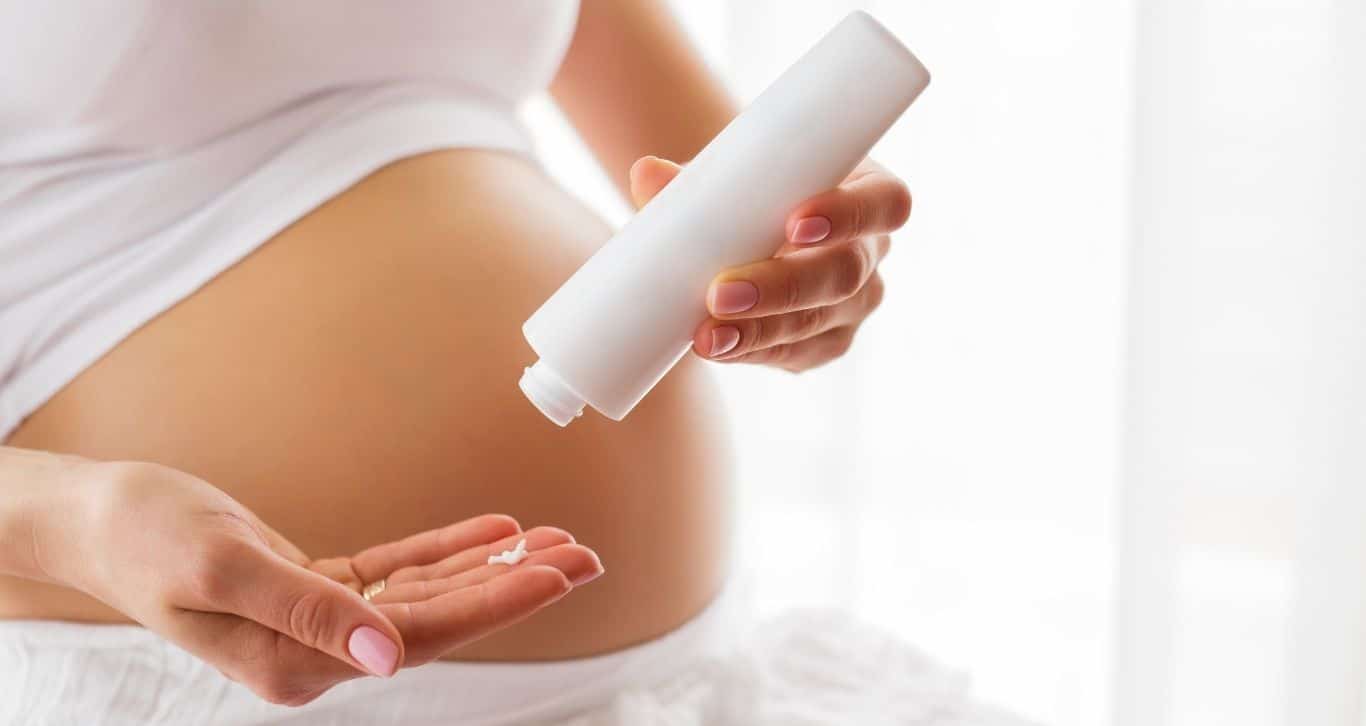
When you’re expecting, your body undergoes a hormonal revolution. A surge in oestrogen and progesterone often disrupts your complexion. This triggers common complaints like heightened sensitivity, dryness, and the ‘mask of pregnancy’ (melasma).
Walking down the skincare aisle lately? It’s confusing. You want that pregnancy glow, but you also need to know: is my skincare safe for my baby?
Because your skin is more permeable and reactive during this time, generic advice isn’t enough. You need a hypoallergenic skincare routine that actively rebuilds your skin barrier without aggressive actives. This guide cuts through the noise. You will learn to decode INCI lists and identify ‘natural’ ingredients that are actually irritants. We also reveal the best pregnancy-safe moisturisers to protect both you and your baby.
Key takeaways: your pregnancy skincare checklist
- Avoid the ‘Big 4’ Irritants: Steer clear of complex allergens and unfiltered natural extracts (essential oils). You should also avoid retinoids (Vitamin A) and harsh exfoliating acids.
- Stretch mark prevention: Your skin is under immense tension. Keeping it pliable with deep, lipid-rich hydration is critical to preventing stretch marks (striae) before they appear.
- Melasma defence: Hormones make your melanocytes (pigment cells) hyperactive. Daily high-factor SPF is the only guaranteed way to prevent permanent hormonal pigmentation.
Which skincare ingredients should you actually avoid during pregnancy?
If you’ve been frantically Googling “can I dye my hair pregnant” or “is my face cream safe for baby,” you are not alone. It is one of the most common searches for mums-to-be. From active acids to nail polish, the confusion is real.
The Good News:
First, take a deep breath. Most skincare products sold in the UK and EU are rigorously tested. They are safe for both you and your baby.
Under strict EU & UK cosmetic regulations, every product undergoes a comprehensive safety assessment that considers three critical factors before it hits the shelf:
- Surface area: How much skin are you covering?
- Frequency: How often do you use it?
- Absorption: Does it actually penetrate the epidermis?
The Golden Rule: If a product posed a proven medical risk to your unborn baby, it would be legally required to carry a specific warning label (like medicines do).
Why “clean” matters
While acute toxicity is rare, we do know that the skin is not an impermeable shield. Studies show that trace amounts of certain cosmetic ingredients can enter your bloodstream. These may cross the placenta and appear in amniotic fluid. Regulators generally consider these traces non-toxic, but most mothers prefer a precautionary approach. Ethical rules prevent clinical trials on pregnant women. Therefore, choosing hypoallergenic skincare is the smartest way to eliminate worry and ensure your routine is safe
Decoding skincare labels: your pregnancy safety guide
Navigating the fine print on cosmetic bottles can feel like reading a different language. But when you’re expecting, that INCI list (International Nomenclature Cosmetic Ingredient) is your best friend.
1. Look for “Hypoallergenic” first
Start by filtering for products labeled hypoallergenic. In the EU & UK market, this claim signals that the formula is free from common allergens and has undergone rigorous dermatological testing on sensitive skin.
- Why it matters: During pregnancy, your skin is prone to melasma (chloasma). When common allergens interact with UV rays, they can trigger permanent hormonal pigmentation. A hypoallergenic routine is your first line of defense against these dark spots.
2. Beware of “Pregnancy Safe” marketing
Don’t blindly trust a “pregnancy safe” sticker. Surprisingly, products with this marketing claim can still legally contain potential irritants. They may not cause developmental harm to your baby. However, they can still trigger aggressive contact dermatitis. If absorbed, they might also sensitize your newborn’s developing immune system.
- The Golden Rule: Ignore the front label. Flip the bottle and read the back.
3. The “Less is More” principle
When it comes to ingredient lists, shorter is safer. Complex formulas packed with dozens of unfiltered plant extracts often hide potent allergens that aren’t explicitly named.
- The allergen trap: Allergens (like Linalool or Citronellol) must only be listed if they exceed 0.01% in leave-on products (e.g.creams) or 0.1% in wash-off products (e.g.gels). A short, simple INCI list minimizes the risk of these hidden nasties sneaking into your routine.
4. No badge? No problem.
Just because a high-quality moisturizer doesn’t have a “pregnant lady” icon doesn’t mean it’s unsafe. Often, a pure, minimalist brand (like Alexandra Kubas) is safer than a mass-market “maternity” cream loaded with cheap fragrance.
Hormones and pigmentation: why melasma happens
During pregnancy, surging levels of oestrogen and progesterone trigger your melanocytes (pigment cells) to overproduce melanin. This hormonal chain reaction leads to gestational melasma (often called chloasma or “the mask of pregnancy”) – dark, irregular patches that typically appear on the forehead, cheeks, and upper lip.
Crucially, this hormonal shift makes your pigment cells hypersensitive to light. Even brief exposure to UV radiation amplifies their activity, turning temporary hormonal changes into stubborn, dark spots.
Why your skincare choice matters?
Because your skin is now hypersensitive to both hormones and external aggressors, your choice of cosmetics is critical. Many standard active ingredients are photosensitizing or overly exfoliating.
Common culprits include:
- Retinol
- Salicylic Acid
- Essential Oils (especially citrus)
These ingredients strip away the stratum corneum (the skin’s natural protective outer layer). By weakening this barrier, they allow UV rays to penetrate deeper and faster. The result is a “perfect storm” for pigmentation. Your skin loses its shield just as hormones make it vulnerable to sun damage. This significantly increases the risk of permanent discolouration.
Retinoids in pregnancy: what you really need to know
The Short Answer: Pause the Retinol.
The Science: Retinoids (Vitamin A) work by aggressively speeding up cell turnover. While excellent for anti-ageing, this process strips the skin barrier. Since pregnancy hormones already make your skin hypersensitive to UV light, using Retinol significantly increases your risk of permanent pigmentation (melasma).
The Safe Alternative: Do not stop anti-ageing treatments – swap them.
This is where Coenzyme Q10 becomes your hero ingredient. Unlike Retinol, Q10 is a lipid-loving antioxidant that is perfectly safe for pregnancy. We utilize a high concentration of Q10 in our Serum +Q10 because it energizes skin cells to repair themselves without causing the inflammation or sun-sensitivity associated with Vitamin A.
Caffeine in cosmetics – is it safe?
I generally advise pressing pause on caffeine during pregnancy. You’ll typically find it in firming or anti-cellulite creams because it acts as a stimulant to break down fat (lipolysis). However, caffeine is a small molecule that penetrates the epidermis easily and acts as a vasoconstrictor (it narrows blood vessels). Since your main goal right now is maintaining healthy, unrestricted circulation for you and your baby, it is safer to skip these stimulants until after your little one arrives.
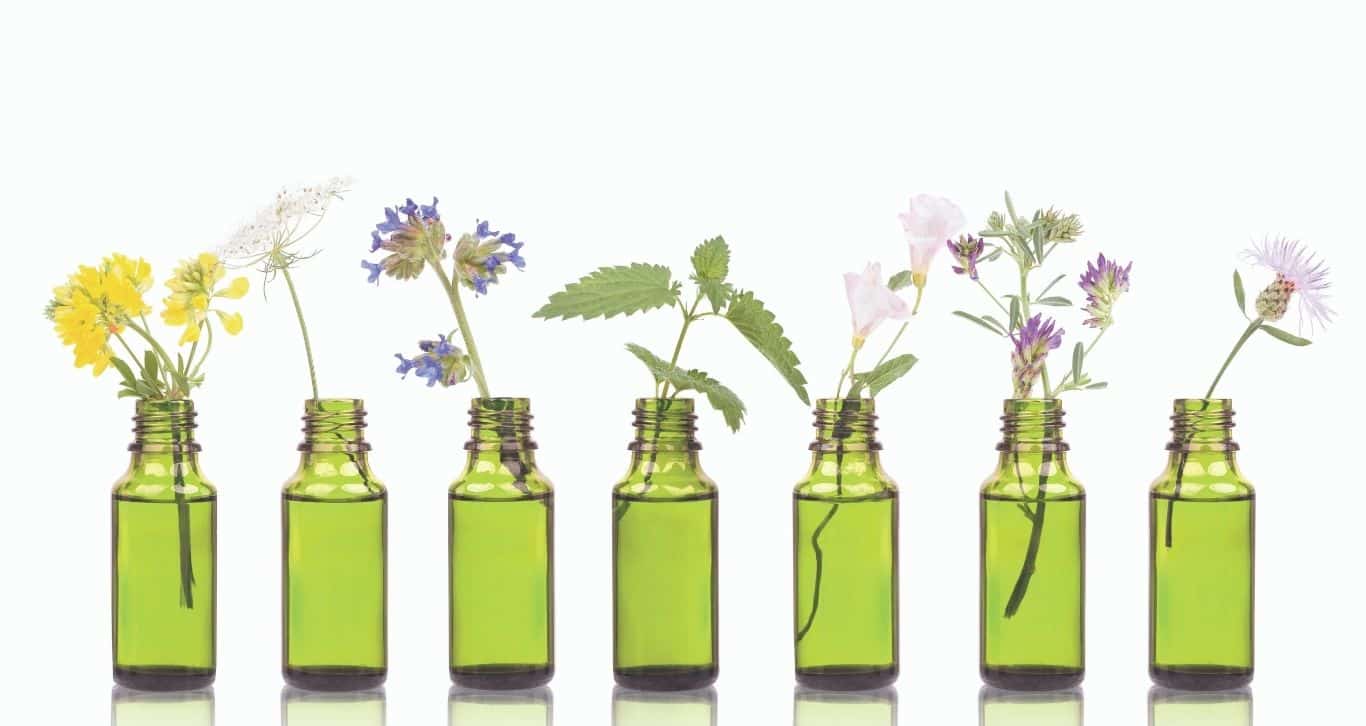
Essential oils: the “natural” trap
Don’t fall for the myth that “natural” always means “safe.” Essential oils are powerful cocktails of hundreds of volatile chemicals that enter your bloodstream in seconds. They are also frequent allergens that can trigger reactions in your already-sensitive skin.
If you must use them (e.g. for aromatherapy), ignore marketing terms like “Bio” and ask your pharmacist for pharmacopoeia grade oils, which meet strict medical purity standards. But remember: even the purest oil is still a potent allergen, so proceed with extreme caution.
Face and body care during pregnancy: a safe routine
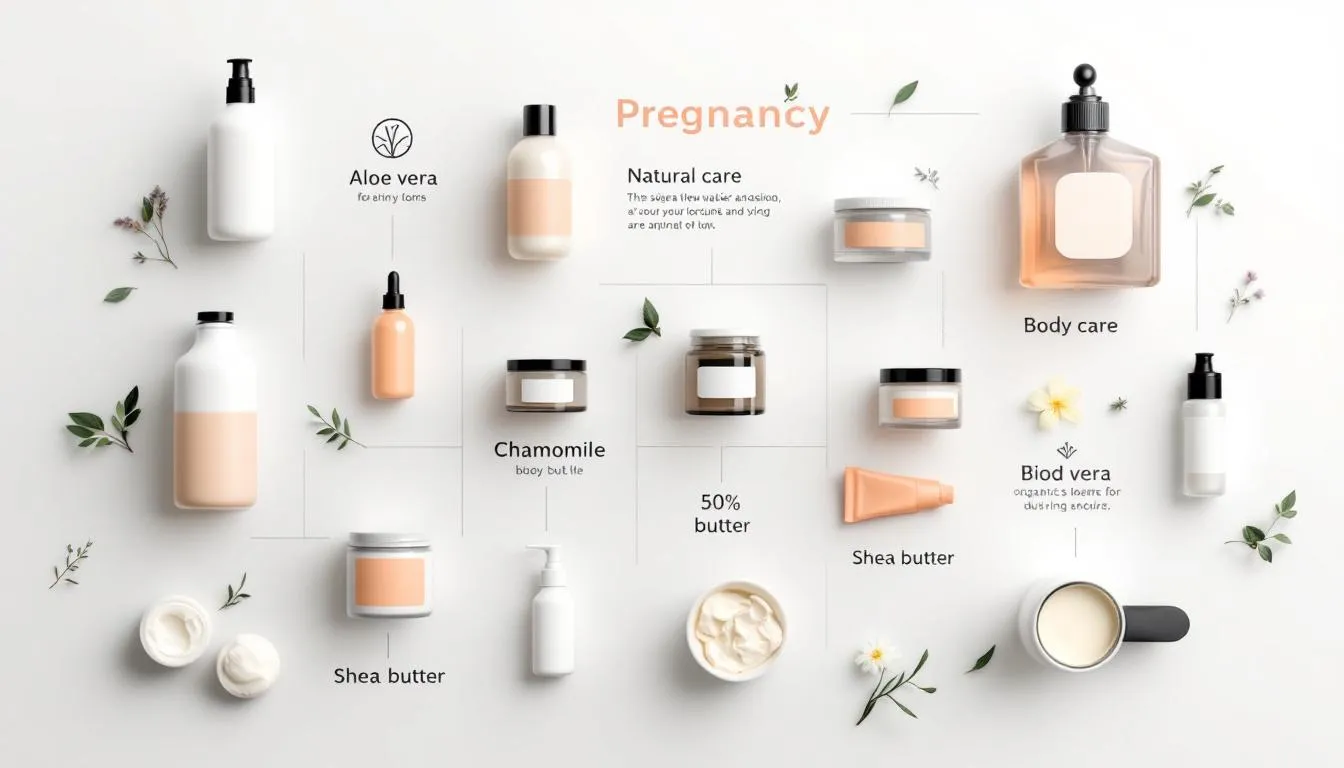
Pregnancy places unique demands on your body, and your skin is no exception. It’s under immense tension from stretching and can become incredibly capricious – often drier or more reactive than usual. Your care strategy right now should be simple: focus on deep hydration, gentle cleansing, and lipid regeneration. And whenever possible, always choose hypoallergenic formulas to minimize irritation.
Managing hormonal acne safely
If you are battling breakouts, Niacinamide is your safest ally. Unlike harsh acne treatments, it offers antibacterial and anti-inflammatory benefits while also brightening the complexion. Best of all, it’s non-photosensitizing, so you can safely use it morning and night.
For very oily skin, look for products rich in Omega-6 fatty acids. It might sound counterintuitive to put oil on oily skin, but Omega-6 actually regulates sebum production by repairing the skin’s lipid mantle. Often, oily or acne-prone skin is actually just dehydrated skin crying out for barrier repair (want to dive deeper? Read my full guide on How to Care for Your Skin’s Hydrolipidic Barrier).
Targeting pigmentation (melasma)
Dealing with dark spots? Coenzyme Q10 is a fantastic, pregnancy-safe alternative to aggressive brighteners. This lipid-loving antioxidant not only brightens existing pigmentation but also provides a secondary shield against UV damage (though it never replaces your SPF!). It’s gentle enough for twice-daily use.
Another good option is Azelaic Acid, which effectively reduces excess melanin production and is widely recognized as safe for expectant mothers.
Hydration and rebuilding the protective barrier
The skin of pregnant women is particularly vulnerable to hydrolipidic barrier disorders due to hormonal fluctuations. This leads to dryness, hypersensitivity, and dilated capillaries (spider veins). The key to repair is stimulating natural lipid production using safe ingredients.
Lactic Acid in low concentrations (≤5%) is an ideal choice. It acts in two ways: gently exfoliating dead epidermis and stimulating the synthesis of ceramides – the “cement” binding the stratum corneum.
Another ingredient recommended in care is Hyaluronic Acid as a natural moisturizing factor (NMF). Unsaturated fatty acids (EFA), also known as omega acids, also support the reconstruction of the skin’s hydrolipidic layer.
Safe Sun protection during pregnancy

Protection against solar radiation is extremely important during pregnancy because it helps prevent permanent discolouration and protects the skin from the harmful effects of UV rays. Always opt for a broad-spectrum SPF 50+, which offers the highest level of defence against both UVA and UVB rays.
Mineral vs. Chemical filters: which is safer?
The choice of an appropriate sunscreen is very important for the health of the mother and child. Mineral filters, such as zinc oxide and titanium dioxide, are preferred during pregnancy because they are less likely to cause allergic reactions on sensitive skin.
In contrast, chemical filters work by absorbing UV radiation and can sometimes be more irritating. For this reason, I always recommend sticking with mineral-based products. A fantastic French brand that excels in this area is Laboratoires de Biarritz; their formulas are exceptionally gentle and effective for both mothers and children, and you can now find them online and in physical stores worldwide.
A guide to hair and nail care in pregnancy
It’s wise to pay closer attention to the labels on your hair and nail products during this time. Your body is more reactive, so always check ingredient lists to avoid potential irritants that could cause a reaction on your skin or scalp. When in doubt, it’s always best to choose products free from harsh chemicals or consult your GP or dermatologist.
Can I still dye my hair?
Hair dyeing in pregnancy raises much controversy, however, studies have not shown a link between hair dyeing and risk to the fetus. When choosing a hair dye, it is best to look for one that will not irritate the skin, remembering that during pregnancy the skin can be more sensitive.
What about manicures?
Nail polishes, above all, have an intense smell. They contain volatile substances that easily enter the body. To avoid feeling unwell and to avoid a headache, it is worth painting them in a well-ventilated room.
Natural cosmetics – are they always safe?
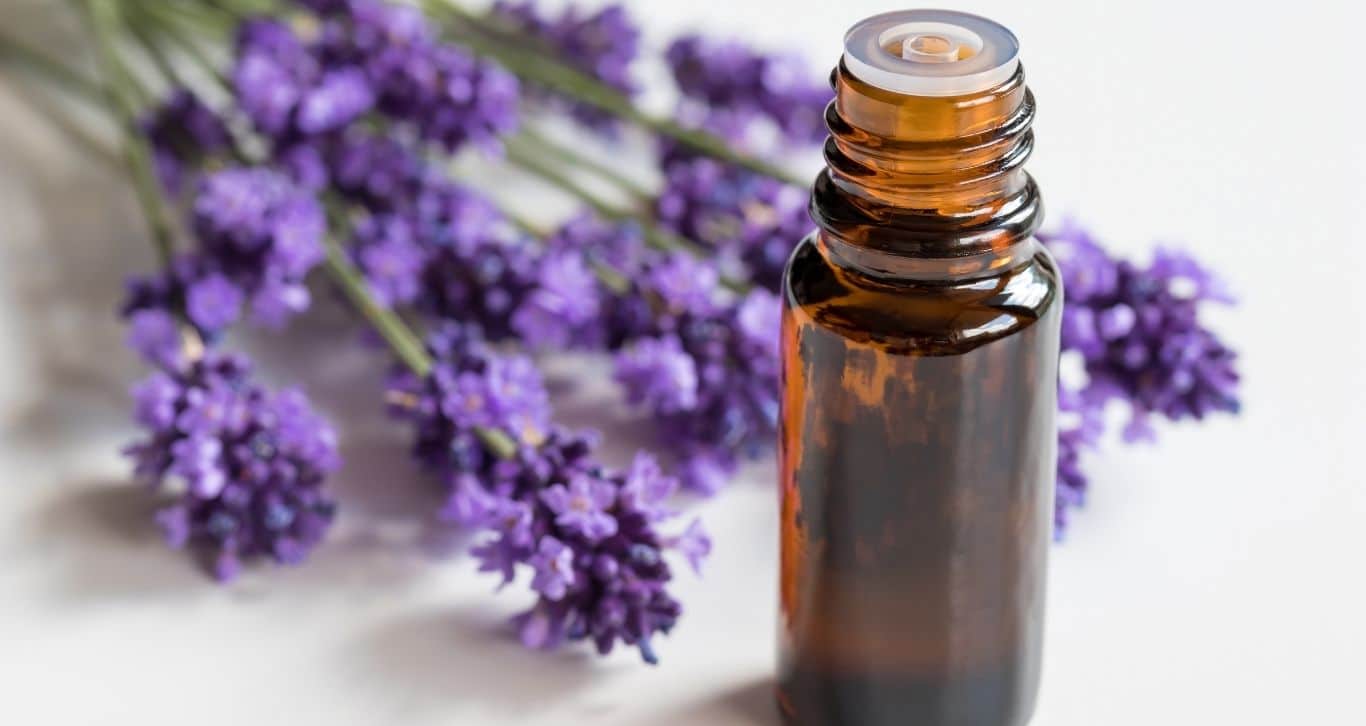
Natural cosmetics are often assumed to be the safest choice, but not all plant-based ingredients are suitable for expectant mothers. The main issue lies with natural plant extracts – specifically natural fragrance oils – due to their high allergen content.
These ingredients can not only cause significant irritation but are often photosensitizing, meaning they can trigger hormonal pigmentation like melasma (the “mask of pregnancy”). It is best to avoid such cosmetics entirely, as natural fragrance oils are complex mixtures containing hundreds of chemical compounds, not all of which are fully understood.
The best choice among natural options is to look for hypoallergenic products. Your pregnancy skincare routine should focus on rich, moisturizing products like creams and oils that thoroughly lubricate the skin, minimizing the risk of stretch marks.
Safe skincare products during pregnancy and breastfeeding
Your skincare routine during pregnancy and breastfeeding needs to prioritize one thing above all else: hydration. Keeping your skin deeply hydrated improves elasticity, supports the rebuilding of your natural lipid barrier, and speeds up epidermal regeneration.
Smoothing Cleanser – deep cleansing without irritation
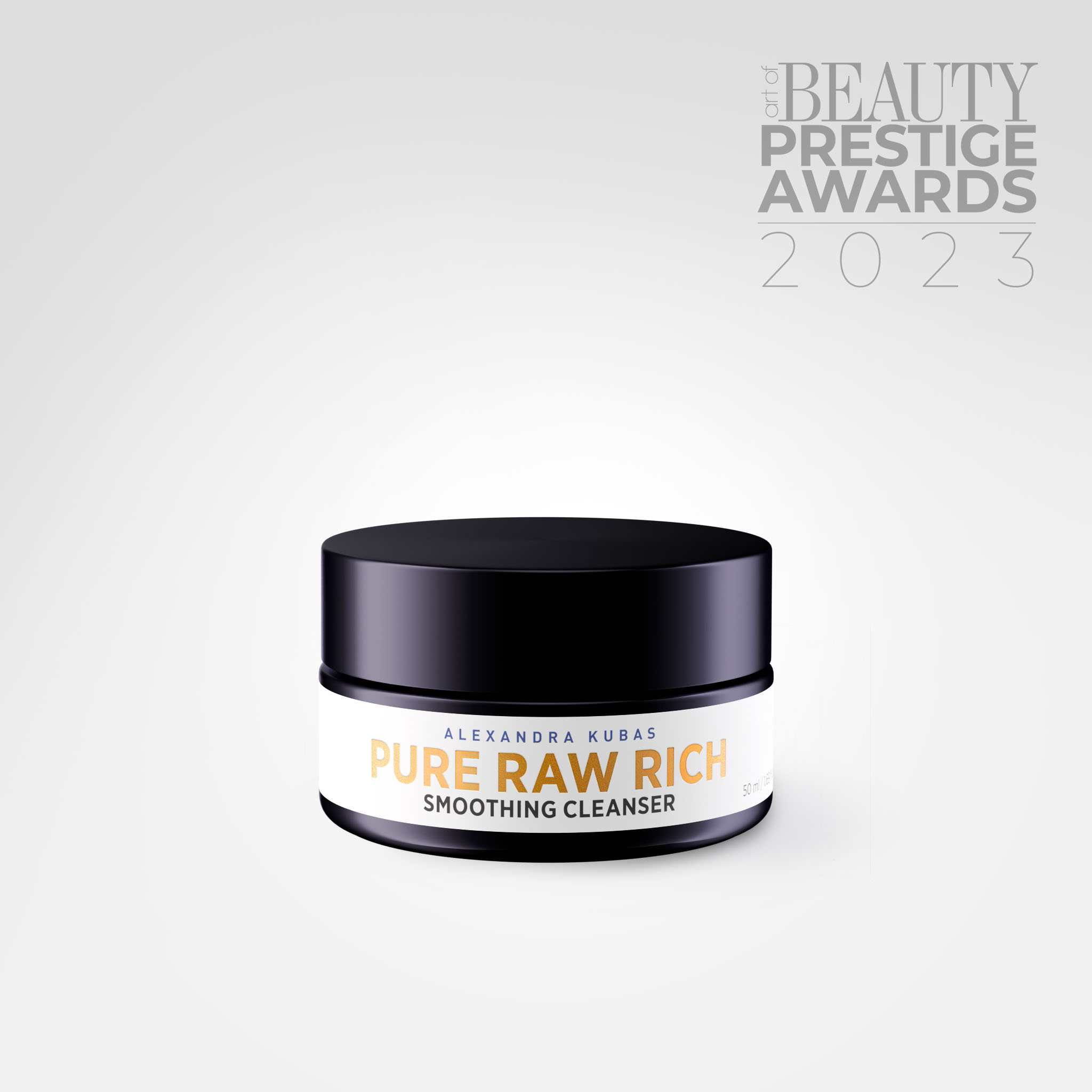
This clinically tested cleanser targets sensitive and hormonal skin. It gently removes dead skin cells without disrupting your delicate hydrolipidic barrier. This offers a crucial advantage over chemical peels containing salicylic acid or retinol. Unlike those ingredients, it does not dangerously increase sun sensitivity. The minimalist formula is free from alcohol, silicones, and harsh surfactants. It protects you from irritation, even if you are prone to rosacea or eczema.
This multitasker replaces four separate products: it works as a makeup remover (even for eyes), a gentle exfoliator, a hydrating mask, and a daily cleanser. By simplifying your routine, you significantly reduce your exposure to potential allergens. Best of all, its large active molecules work exclusively on the skin’s surface, ensuring zero penetration into the bloodstream.
Cream – hypoallergenic firming cream for pregnant women
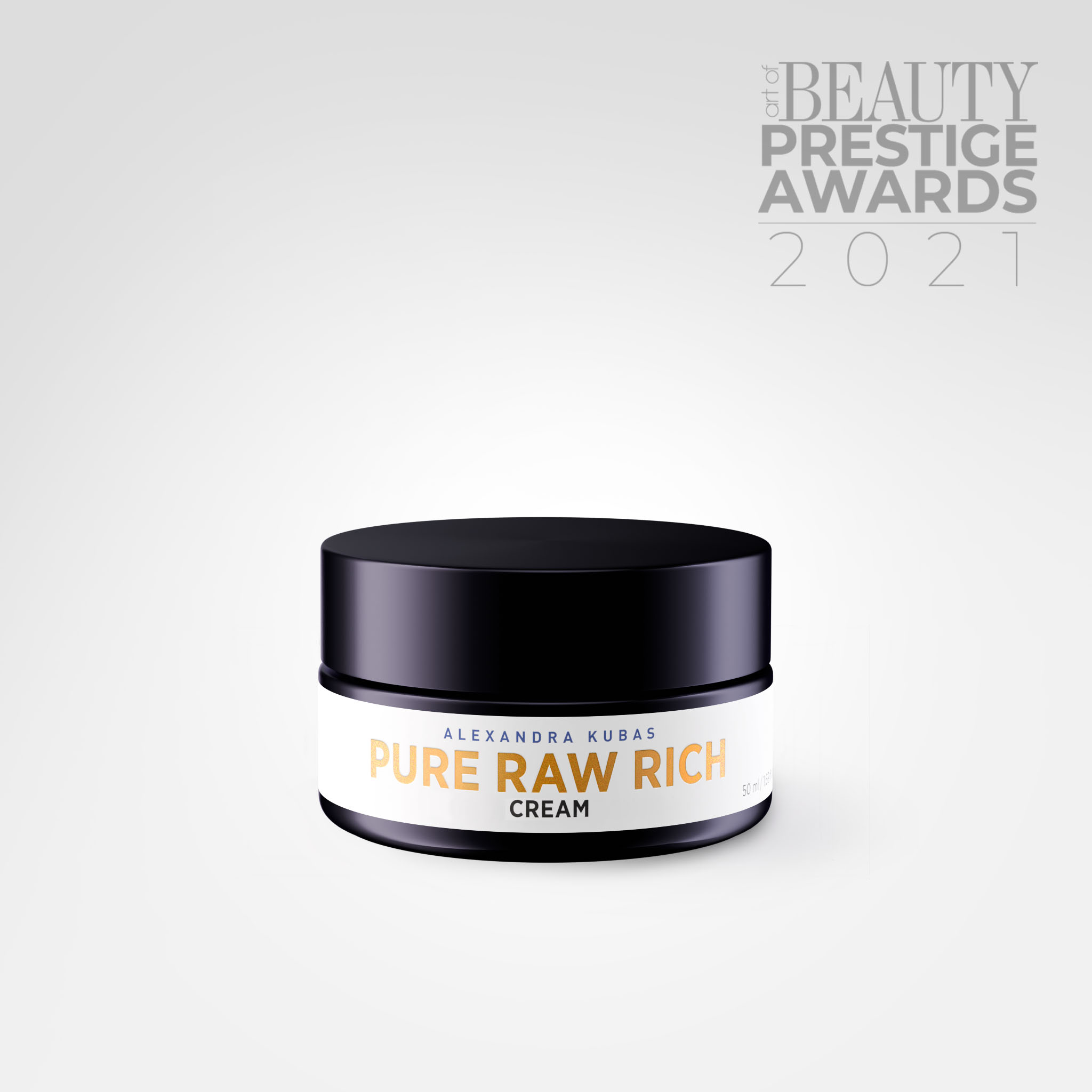
This clinically tested cream uses just five pure, natural ingredients. It blends cocoa butter, baobab oil, shea butter, coconut oil, and vitamin E. This simple formula is the ultimate safe choice for pregnancy. It instantly soothes the irritation typical of hormonal changes while deeply regenerating the skin.
Its unique mousse-like texture creates a breathable, satin protective film that solves two major pregnancy skin concerns: it reduces Transepidermal Water Loss (TEWL) by up to 33% (clinically proven) while regulating sebum production. The result is balanced skin that is no longer oily, with pores that gradually unclog.
It is clinically proven to increase skin elasticity by an average of 75% after just 4 weeks. This delivers essential firming and anti-ageing benefits safely.
Serum +Q10 – intensive regeneration during pregnancy without the risk
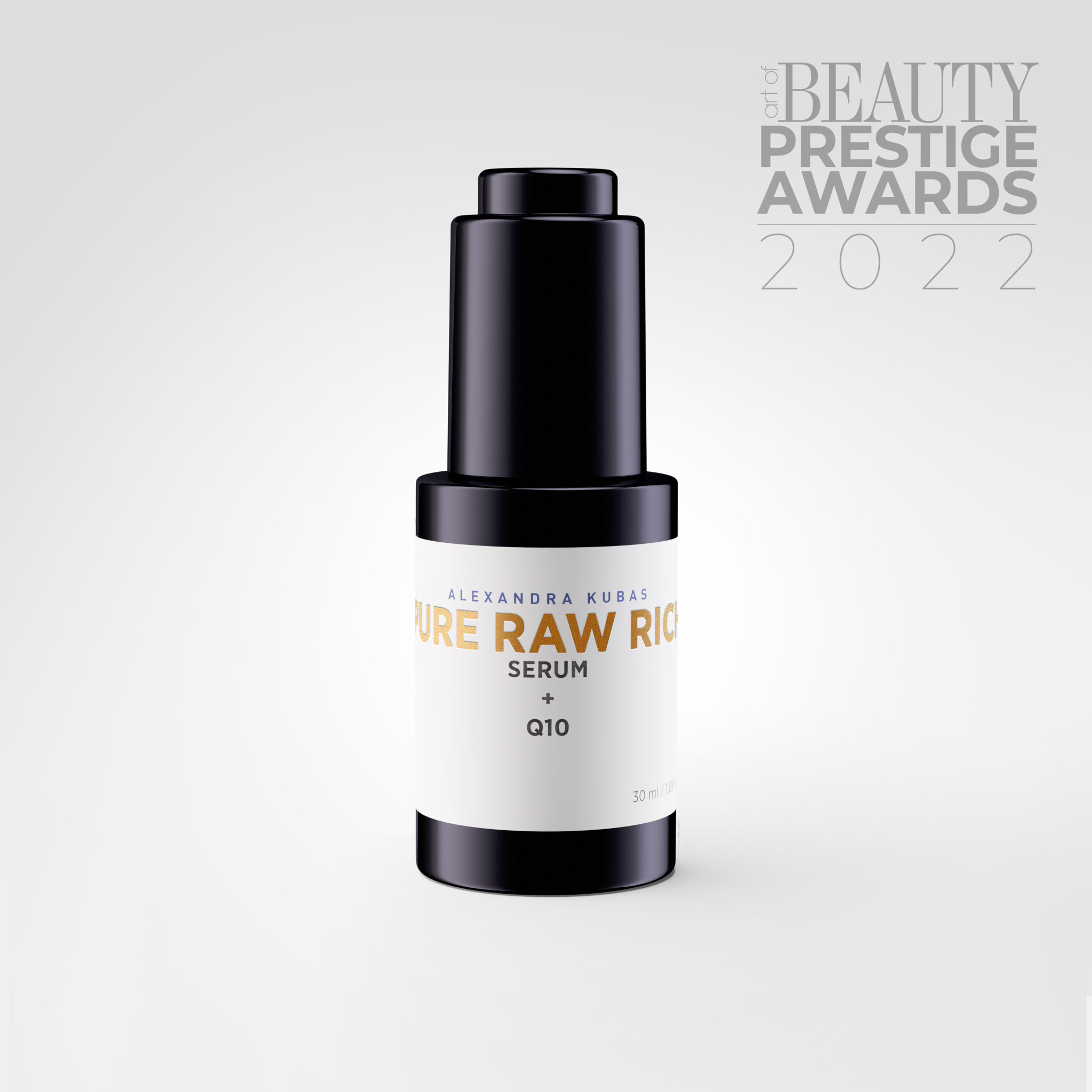
Formulated with 1% Coenzyme Q10 and pure natural oils, this hypoallergenic cocktail offers powerful anti-ageing results without the risks associated with retinol. It works entirely on the skin’s surface and does not enter the bloodstream.
The key lies in its active blend: Coenzyme Q10 actively minimizes hormonal pigmentation, while Hemp Seed Oil and Neem Oil strengthen the lipid barrier without irritation. Extensive 48/72-hour dermatological patch tests confirmed zero allergic reactions, even on atopic skin.
Coenzyme Q10 is a potent antioxidant, that is more powerful than Vitamin C. It accelerates healing and rejuvenates the skin by stimulating collagen. Our Serum +Q10 utilizes this power to reduce wrinkle depth by 18% in just 6 weeks (clinically proven!). It also unifies skin tone and gently brightens pigmentation spots safely.
Summary
Pregnancy places your skin under immense strain – it stretches, dries out easily, and becomes incredibly reactive. To counter this, your priority must be deep lubrication to maintain elasticity. Because your skin is so sensitive right now, I strongly advise avoiding any products containing known allergens.
While most high street cosmetics are technically safe for your baby, the best choice for your skin health is always hypoallergenic skincare. These formulas minimize the risk of allergic reactions and the hormonal pigmentation (melasma) that so often plagues expectant mothers.
Finally, never skip your sun protection. Protecting your skin from UV rays is critical to preventing deep, permanent dark spots. And remember: steer clear of Vitamin A derivatives (retinoids). Their photosensitizing properties make them too risky for your delicate skin during this special time.
Take care of yourself! If you need a skincare consultation, write to me on: [email protected]
Aleksandra Kubas – a cosmetic technologist, skincare expert, and the passionate creator behind the Alexandra Kubas brand. Frustrated by the lack of truly effective and gentle options for reactive skin, she channelled her expertise into creating her own line. Today, her unique, science-backed formulas have been recognised with innovation awards across Europe, helping people finally find peace with their sensitive skin.
Frequently Asked Questions (FAQ)
Can I use retinol during pregnancy?
No, you should avoid retinol. Topical retinoids increase skin sensitivity and carry potential risks. It is safer to switch to alternatives like Coenzyme Q10 until after breastfeeding. Always consult your GP if unsure.
Which natural ingredients should I avoid during pregnancy?
Avoid essential oils like Sage and Peppermint. In fact, I recommend skipping all natural fragrance oils. They are potent allergens and can be photosensitizing. This increases your risk of developing melasma (dark spots).
Are acid peels safe to use during pregnancy?
I advise against them. Strong acids (like Salicylic or Glycolic) strip the skin’s barrier and heighten UV sensitivity. This can trigger permanent hormonal pigmentation. While not strictly “illegal,” the risk of damaging your skin barrier is too high.
Are hypoallergenic cosmetics safe during pregnancy?
Yes, they are the gold standard. Hypoallergenic products are rigorously tested to be free from common allergens. This makes them the safest choice for your heightened sensitivity during pregnancy.
What is the safest face cream during pregnancy?
The safest choice is a hypoallergenic cream with a short, transparent ingredient list (INCI). Look for simple formulas that hydrate without irritation. Our Cream is specifically designed to meet these criteria, offering pure, safe care for expectant mothers.
Which cosmetic ingredients cause allergies during pregnancy?
The most common triggers are fragrances (Parfum) and essential oils (like Lavender, Rose, or Citrus), and some preservatives. You should also avoid harsh sulphates (SLS/SLES) which strip natural oils. To stay safe, choose minimalist, fragrance-free, hypoallergenic formulas.