Free shipping for orders from 150 EUR.

Under-eye bags and dark circles – causes, fixes, and the routine that really helps
Under-eye bags and dark circles can make you look more tired than you feel. With the right routine, many people can noticeably soften puffiness and brighten the eye area. This guide explains the main causes and provides clear, practical steps to start today. It includes a simple routine that supports the delicate under-eye skin.
Key points
- Ageing is a leading driver, but diet, sleep, stress and genetics also influence puffiness and discolouration under the eyes.
- Small lifestyle tweaks – balanced meals, consistent sleep, gentle exercise – often reduce the look of shadows and swelling.
- Daily facial massage plus well‑chosen skincare (for example, a Q10 serum) can support skin resilience and improve the under‑eye area over time.
Ageing is a natural process that changes the skin. Over time, the body produces less collagen and elastin, so skin becomes thinner and less firm. This allows blood vessels to show through more easily, which can appear as darkness, while fat pads may shift and create a puffy look. Targeting both skin quality and circulation is key to helping the eye area look fresher and better rested.
Under-eye bags and dark circles are not just a later-life concern, as young people experience them too. They are commonly linked to factors like poor diet, lack of sleep, stress, sun exposure, and family traits. A realistic plan blends small lifestyle changes with products formulated for the thin, sensitive skin around the eyes.
What are under-eye bags?
Under-eye bags are a form of swelling or puffiness in the lower eyelid area. They can make the face look tired and older, and are often linked to fluid retention or shifting fat pads. Dark circles, however, are different as they are mainly caused by visible blood vessels or skin pigmentation. This shows up as blue, purple, brown, or grey tones under the eyes. While colour alone is not a medical diagnosis, it is wise to speak with a healthcare professional if any unusual discolouration persists with other symptoms. Understanding this difference is the key to choosing the right skincare steps. Bags require de-puffing tactics and massage, whereas circles benefit from brightening and vessel-targeted care.
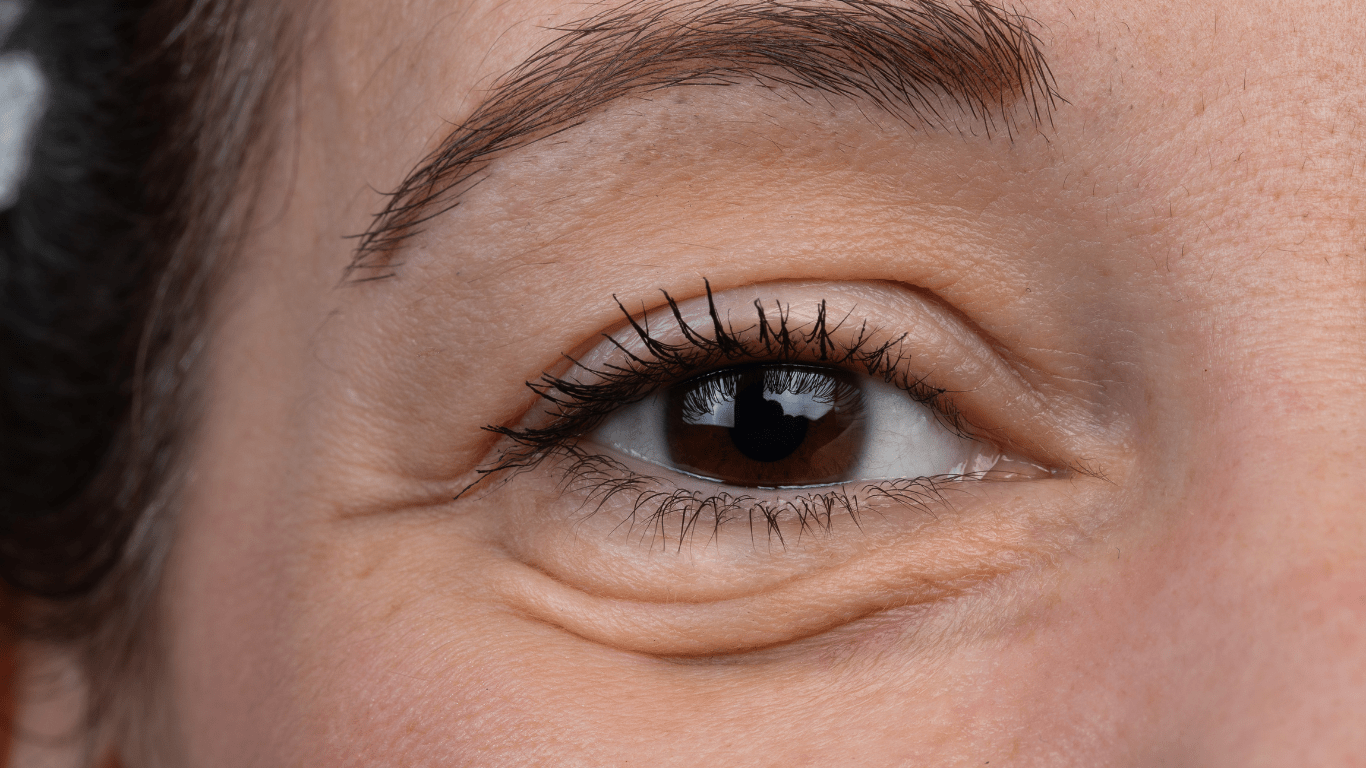
Causes of under-eye bags and dark circles
Aging skin
What happens: With age, skin makes less collagen and elastin, becomes thinner, and the fat pads can shift or protrude, so puffiness looks more obvious and vessels show through as darkness.
What to do: Support with gentle massage, consistent SPF around the eye contour, and targeted actives (e.g., coenzyme Q10) to improve the look of firmness and brightness.
Poor diet, smoking and alcohol
What happens: Excess salt and alcohol promote fluid retention; smoking and ultra‑processed foods can impair circulation and collagen, worsening puffiness and dullness.
What to do: Cut back on salt and alcohol, hydrate well, and prioritise whole foods; reducing or quitting smoking helps the eye area look less puffy over time.
Psychological stress and lack of sleep
What happens: Stress hormones upregulate enzymes that break down collagen and can disrupt sleep; both make vessels and hollows more noticeable and slow skin renewal.
What to do: Aim for a regular sleep window, limit caffeine after lunch, add light movement or breathwork, and use a calming evening routine to improve sleep quality.
Chronic conditions and medications
What happens: Issues such as thyroid disease, dermatitis, anaemia, sinus/allergy problems, and some medicines can contribute to swelling or discolouration under the eyes.
What to do: If changes are sudden, persistent, one‑sided, painful, or accompanied by other symptoms, speak to a healthcare professional for assessment and tailored care.
Allergic reactions and unsuitable skincare products
What happens: Allergic reactions can dilate vessels and prompt rubbing, increasing darkness and puffiness; products not designed for the eye area may irritate or introduce microbes.
What to do: Choose ophthalmologist‑appropriate, hypoallergenic formulas for the eye contour; avoid essential oils and fragrance near the eyes if sensitive. Follow usage guidance and replace products within PAO dates. That’s why we chose to create hypoallergenic formulas and remove common allergens, including natural ones. Cream: Woody is the only exception, as it contains a natural fragrance composition.
How to prevent under-eye bags?
- Balanced diet and hydration
Aim for variety: build towards 20-30 different fruit and veg choices across the week, keep meals protein- and fibre-rich, and sip water or herbal tea through the day.
Make it stick: focus on small, sustainable swaps (e.g., lower‑salt options, one extra veg at lunch).
- Sleep hygiene
Keep a steady sleep window, dim screens an hour before bed, and skip caffeine after lunchtime to help you drift off.
Good‑quality sleep supports skin repair and helps manage stress so puffiness looks less pronounced in the morning.
- Physical activity
Regular movement improves circulation and lymphatic flow; gentle yoga or a brisk walk can help reduce morning puffiness.
Layer in brief mindfulness or breathing during activity to down‑shift stress.
- Daily eye care
Choose hypoallergenic products formulated for the thin eye area; apply with light pressure and use clean hands and tools.
Add a 20–30‑second massage along the orbital bone from inner corner to temple, then temple to ear, and down the side of the neck to encourage drainage.
Cold therapy (cool spoons, a chilled eye mask) can help short‑term puffiness; wrap ice to avoid direct skin contact.
Professional at-home care: how to effectively get rid of under-eye bags and dark circles
For massage and daily skincare to be most effective, the eye area needs targeted active ingredients. A basic moisturiser alone won’t provide enough support for the thin, sensitive skin in this area. Look for concentrated formulas that boost collagen, calm inflammation, and protect against free radicals.
Discover a simple three-step routine that includes a serum, cream, and a quick massage. This approach helps the under-eye area look brighter and better rested.
Serum +q10 – intensive support and atioxidant shield
- A concentrated blend of bioactive flavonoids from black cumin, buriti and sea buckthorn, enriched with coenzyme Q10 to defend against oxidative stress.
- Helps support skin regeneration and resilience for a smoother, more even‑looking eye contour over time.
- Hypoallergenic, fragrance‑free for the eye area—suitable for sensitive skin.
- Cannabinoids from Copaiba oleoresin (including beta‑caryophyllene) provide a soothing effect and help support the skin’s natural repair processes.
- Clinically tested: users reported a reduction in the look of fine lines and a brighter appearance around the eyes from week six; adjust wording to your validated results.

Eye cream – restores density and soothes
- Designed for sensitive and mature skin to help soften the look of lines and support firmer-looking eye contour
- Supports the skin’s own collagen and elastin for improved smoothness and comfort
- Hypoallergenic, suitable for the delicate eye area
- To enhance the cream’s hydrating effect, you can layer it with a serum containing coenzyme Q10, hyaluronic acid or carrageenan. Alternatively, apply it over skin moistened with thermal water to help provide essential minerals for regeneration. I like all these options and use them alternately.

Facial massage – boost your skincare results
With ring fingers, trace gentle strokes along the orbital bone from the inner corner out to the temple.
Continue from temple to just in front of the ear, then down the side of the neck to encourage drainage.
20–30 seconds once or twice daily is enough—consistency beats duration. For longer sessions or advanced techniques, book a professional treatment.
Summary and next steps
Under-eye bags and dark circles are a common issue. They are influenced by factors like ageing, poor diet, lack of sleep, stress, and some health conditions. The good news is that with the right skincare and a healthy lifestyle, it is possible to significantly improve your skin’s appearance. Effective products like our Serum +Q10 can help you regain a radiant, well-rested look.
Remember, the key to healthy skin is consistency and dedication. Introducing simple daily habits can lead to remarkable results. These include massaging the eye area, applying cold compresses, using suitable skincare products, and maintaining a balanced diet. Start caring for yourself today to enjoy beautiful eyes for many years to come!
Take care of yourself
Aleksandra
Frequently Asked Questions (FAQ)
What is the difference between under-eye bags and dark circles?
Under-eye bags are a form of visible puffiness or swelling on the lower eyelid. They are often linked to fluid retention, loose skin, or protruding fat pads. Dark circles are different, appearing as discolouration beneath the eyes. This is typically caused by visible blood vessels or excess skin pigmentation. Simply put, bags are about puffiness, while circles are about colour change. Although they can appear together, they respond best to different and targeted solutions.
What are the main causes of under-eye bags?
Lack of sufficient sleep, poor diet (excess salt and alcohol, insufficient fruits and vegetables), stress, and genetics are key contributors. These factors often lead to water retention and swelling under the eyes.
Do diet and stress affect under-eye bags?
Yes. Stress negatively impacts the entire body, including appearance. It contributes to collagen and elastin breakdown, slows down skin regeneration and detoxification (lymphatic drainage), leading to swelling. Diets high in processed foods can cause water retention, inflammation, fatigue, resulting in dark circles and puffiness.
How to effectively reduce under-eye bags?
If caused by fluid retention, massage can help – either daily self-massage or regular sessions with a therapist. This promotes drainage and improves circulation. Enhance your massage with products that regenerate skin and rebuild density. Our clinically tested Serum +Q10 and Hypoallergenic Cream are made especially for the delicate eye area to provide these benefits.
Can under-eye bags be completely removed?
Lifestyle changes and appropriate skincare (e.g., Serum +Q10) can significantly reduce bags. However, genetic factors like anatomical structure or fat herniation may require aesthetic medicine procedures or plastic surgery for complete removal.
Do under-eye bags always indicate a serious health issue?
Usually not. They’re most often a cosmetic concern linked to fatigue, diet, genetics, or ageing. If you experience a sudden onset of puffiness, pain, or other alarming symptoms like swelling elsewhere, it is important to seek a medical consultation. This will help to exclude underlying conditions such as liver, thyroid, or kidney problems, as well as allergies.
How soon will I see results using serum +q10?
Results depend on initial skin condition and habits. Some clients report tighter skin within days. Clinical studies show visible improvement around the eyes in 6 weeks, including an average 18% wrinkle reduction.
Can I use Serum +q10 with retino; products?
Yes. The gentle, hypoallergenic Serum +Q10, rich in flavonoids and oleoresins, supports skin regeneration and complements retinoid treatments. Use alternately (retinol at night, Serum +Q10 in the day) or layer carefully, monitoring skin response. Start retinol gradually and maintain good skin hydration.
When is skincare not enough and treatment should be considered?
Skincare and massage form the foundation of prevention and skin improvement. When deep tear troughs or persistent fat herniations are present, skincare alone is insufficient. Consult an aesthetic medicine specialist or plastic surgeon for tailored treatment options.